Tuesday, April 23, 2013

Week 15: Be Glad

Last week was rough. Hard to blog about being glad when there was so much heartbreaking news. The injunction to 'be glad' can seem insensitive in the midst of that.

Dr. Hanson notes "we pay a lot of attention to threats, losses, and mistreatment in our environment--and to our emotional reactions, such as worry, sadness, resentment, disappointment, and anger" for reasons that promote our survival as individuals, as groups, and as a species. The risk is that we can go overboard, and end up paying attention to nothing else.

To compensate for the brain's negativity bias, we need to make a deliberate effort to seek out good news and things to be glad about. Then we need to really let it sink in and share the good news.

So in the wake of events in Boston and West, Texas last week what can we find? Close to home, maybe it was a personal event--baby's first steps, the first glimpse of spring flowers, a hearty laugh with a loved one. In fact, my daughter made me laugh so hard last week, I snorted like a donkey and laughed even harder at myself. Over the weekend, the high school students completed a service project. A phone call to someone recovering from an illness was answered with a hearty hello, revealing at least for a moment a little reprieve. Even market news can be heartening with real estate markets picking up in some locales.

So here are ten pieces of good news from around the world for the week of April 22:
Two things you can do this week are to share some happy news of your own and to express appreciation for someone in your life. In saying how much I enjoyed the chocolate bar with crystallized ginger my daughter gave me, the delicious taste came back to me in her happy glow of pride.

Tuesday, April 9, 2013

Week 14: Take More Breaks

If you are not totally loving this book by now, what is wrong with you? This week's assignment (should you choose to accept it) is to take a break. Lots of them! Dr. Hanson points out that our prehistoric ancestors liked hanging out and hanging around (just like our teens) and that being busy constantly is unhealthy and unpleasant.

So here are 100 things to do to take a break that do not involve electronics:

1) look out the window
2) lie down and take a nap (I keep a yoga mat in my office just for this)
3) go for a walk
4) brew a cup of tea
5) read a poem
6) write a poem
7) knit
8) stretch
9) stare into space
10) gaze at a favorite photo
11) listen to wind chimes
12) watch birds
13) pet the dog
14) hug someone
15) goof around with your kids
16) sit and do nothing
17) peel an apple
18) strum a guitar (whether or not you know how to play)
19) put on lotion
20) ask someone to rub your neck or feet (preferably someone who knows you well)
21) do a puzzle
22) doodle or draw
23) sit in the sun
24) splash in a puddle
25) stop to talk when you see an acquaintance
26) sort through buttons or beads
27) remember something pleasant
28) imagine being at the beach
29) meditate
30) bounce a ball
31) make paper airplanes
32) read a book
33) eat M&Ms and try to guess their color by their taste
34) rearrange knickknacks
35) play with building blocks
36) turn off the lights
37) watch shadows
38) watch people
39) watch clouds
40) whistle your favorite song
41) take off your shoes and socks
42) water the plants
43) putter around with this and that
44) dance around the room
45) make a pillow fort
46) hide
47) make faces
48) count backwards from 1000
49) walk around the building
50) put a cool compress on your eyes
51) make a paperclip chain
52) juggle
53) use an emery board
54) stand on one foot for a full minute
55) stand on the other foot for another minute
56) listen to the rain
57) sit in the car for a minute
58) peruse greeting cards (remember those?)
59) tell a joke
60) read the comics
61) sit on the porch
62) look at a scene and name every color that you see
63) do a "loves me, loves me not" on a daisy
64) make a chain of dandelions
65) try to make a blade of grass whistle
66) blow bubbles (gum or soap)
67) try to think of 100 of anything
68) hang upside down
69) make an origami crane
70) do 10 pushups and 20 jumping jacks
71) chew gum
72) blow spit balls through a straw
73) color outside the lines
74) try to read something upside down and backwards
75) floss your teeth leisurely and admire yourself
76) tidy up your desk
77) search for four leaf clovers
78) play with the cat
79) watch fish in a tank
80) read something out loud in a British accent
81) sit and talk about nothing in particular
82) make up disgusting sandwich combinations
83) play with clay or sand or stones
84) whittle a piece of soft wood
85) think of 26 similar things that begin with consecutive letters of the alphabet (apple, banana, cantaloupe, ...)
86) look at last year's calendar
87) send a remote control car down the hallway
88) fly a kite
89) sit by a fountain
90) improvise
91) throw snowballs at a wall
92) wave at passersby
93) just stand there
94) count ceiling tiles
95) make up a story
96) count pennies
97) list all your teachers since kindergarten
98) drum out a rhythm
99) look at a map
100) count cars or licenses

Cheers!

Friday, April 5, 2013

Week 13: Say Yes

This is a great chapter. Dr. Hanson reveals the passionate side of his personality in a rousing tribute to a little word with huge meaning: YES.

In the movie "Yes Man" Jim Carrey learns to say yes to invitations and opportunities, finds love and friendship, and transforms his life of self-imposed limitations and loneliness. Its not about being injudicious (well, in the movie it is, but therein lies comedy), but of seeing possibilities and of being totally in the moment. No reservations, no doubts, no fears. Yes, we just might make a mistake. So what? Go ahead, make mistakes. Make lots of them. Some of them might just be the moments of experience that last a lifetime, precipitate the crisis that leads to lasting change for the better, or position us to do good in the world (like sing a man back from a ledge).

Openness to Experience is one of the major dimensions of personality. In the Five Factor Model it is related to having broad interests and being imaginative. An open person is curious, receptive and considers new ways of doing things. While there might also be a propensity for novelty-seeking and risk-taking, it leads to exploration of the world around us as well as a willingness to take on new challenges and connections. The person who says 'yes' to life and love and experience is endlessly entertained and sustained.

Empirically speaking, curiosity, novelty seeking and openness to experience are all associated with good outcomes psychologically, socially and physically, including positive emotion, better learning, more intimate relationships, and overall survival (Character Strengths and Virtues, 2004, C. Peterson & M. E. P. Seligman). Evidently, appreciating what you know and what you don't know, having some level of personal autonomy and personal meaning, and matching skill level with a slightly greater challenge can foster an individual's curiosity in a positive feedback cycle that increases rather than limits.

Openness is also related to the ideas about radical acceptance in being able to learn "to open our hearts in the face of fear" (Tara Brach). The experience of a traumatic event in childhood can lock us in "the trance of fear" that persists long after the trauma has ceased. Both mind and body can lose flexibility and become rigid, like a permanent suit of armor. When our fears become the focus of life, there is no sense of safety or belonging regardless of circumstances, and our experience contracts as we sink behind our defenses.

A daily practice would be to invite opening of the heart center. According to some teachings, there is an acupressure point on the sternum between the breasts. The chant involves breathing in with fingertips on this point and breathing out with an opening of the arms outward. It creates an alternating invitation and gathering. Similarly in meditation, as we inhale we can listen and open to our fears, and as we exhale we can follow the breathe into awareness of a larger world and connect with the universal. The waves can be as subtle as the flutter of butterfly wings or as powerful as a pounding ocean surf.

Dr. Hanson encourages us to say 'yes' to things we don't like as well as the things that we do like. It can help us to listen with greater attentiveness to others without judging, rejecting or condemning. It is the basis for lasting conflict resolution and reconciliation.

So indulge me one more movie reference. Steve Martin in the movie "Roxanne" (based on the play Cyrano de Bergerac) woos his love (on his friend's behalf): "all you have to say is one little word; its not a noun, not a verb, just three little letters, say 'yes' and all this darkness will fall away." Well the quote is not verbatim, but you get the gist. She did say yes, by the way, not only to his overture, but to him as well, all of him. Even that preposterous nose.

Wednesday, March 27, 2013

Part 2 Enjoy Life, Week 12 Take Pleasure

We are shifting gears now and entering Part 2 of Dr. Hanson’s five part series of practices. We are going to work on enjoying life for the next few weeks and this promises to be delightful.

Today I let the dog out to fetch the newspaper and noticed the sunrise for the first time in quite a while. Not only is the sun up earlier with the change of seasons, the birds are chirping and tree buds are beginning to swell. The day promises warmer temperatures and the snow pack is slowing receding, uncovering muddy edges of soggy lawn and the first glimpse of curbs and driveway edges in months. This morning was special however, as the sunrise was especially colorful, stripes of pink against a purple sky.


Recall Week 2 when we worked on Taking in the Good by focusing on the senses. We are going to get back to that this week and kick it up a notch. Notice all the senses and savor their delights. The earthy smell of a greenhouse setting out their first plants, the great taste of healthy food well-prepared, the beauty of a sunrise or sunset or moon glow or starlight, the delight of music and wind sounds and laughter and dishes clinking, the feel of flannel sheets or a warm shower or a heart felt hug, the glow of happy memories of well-loved places.

Savoring these sensations involves lingering awhile. Rolling around it in, like a dog on new grass. Letting go of internal resistance and prohibitions. Of saying yes to life, to experience, to yourself. Yes, you may! Yes, of course! Stay a little longer, let it register and sink in and expand in your mind and memory fully. All that matters in this moment is the sensation.

As you take on this practice, you might notice that a certain sensory modality is stronger than others: for some it is sound, others sight. That dominant sense has become a pre-selected channel that limits the array of options. Explore your non-dominant senses and round out your experience.

One of my favorite gardens is the Garden of the Senses at Omaha’s Henry Doorly Zoo. It is filled with aromatic herbs and flowers, tinkling wind chimes, splashing water fountains, and plants and sculptures meant to be touched. Many gardens feature similar features, but this one in particular is designed to be especially child friendly. Kids love it as will your own "inner child."

At the end of a long winter, are we not sensorily deprived? Start today to make it a daily habit to walk a loop in your neighborhood and watch the progression of thawing and rejuevenation. See if you can catch the first bloom, whether it is a snowdrop or a dandelion. Create a mental film of the progressive unveiling of spring. Inhale deeply when you smell wet earth. Splash in a puddle, dance in the rain. Notice the dark smoothness of chocolate or the red juiciness of a berry.

Now say it out loud: Mmmmmmmm.....

Saturday, March 23, 2013

Week 11: Befriend Your Body

Winter is coming to an end and women are thinking about the shorts & swimsuit season ahead. The New Year’s resolution to eat healthier and exercise more often withered long ago. The self-loathing is kicking into high gear.

Dr. Hanson makes the point that “your home is your body” and it needs care and maintenance. When you take care with your body, you give it nutrition, sleep, exercise, and loving attention. The simplest act of brushing your teeth and clipping your toenails can be done lovingly and attentively.

We may put our lives on hold, waiting until we lose 10, 25 or even 100 lbs, until we can fit into a perfect size or weigh a perfect amount, the actual number somehow being a magical threshold over which we must cross to be worthy. We wait in fear not that we will fail to reach our goal, but in fear that we will. But life will be what we make of it, regardless of how much we weigh, how much money we have, how popular we are. The truth is we will have no excuses left for not going to the beach, going to the dance, trying a new style, for not having fun, or not having friends, lovers, or spouses, when we begin to love ourselves enough to love the essential miracle of being alive.

Befriending your body is more than body image, self-esteem, healthy eating—it is an attitude toward life. Life is a miracle and our sensory experience, mental capacities, and physical abilities are to be enjoyed and put to good use. It matters less that we have all 20 digits, 4 limbs, red hair or blue than that we feel an immense satisfaction and gratitude for the life we have been given.

“The body is our primary feedback mechanism which can show us what is and isn't working about our ways of thinking, expressing, and living. As we live our truth more fully and freely, our body grows healthier, stronger, and more beautiful.” Shakti Gawain
 
This concludes Part I of Dr. Hanson's book. We have been looking at ways to Be Good to Ourselves. I hope that you have tried a few things or that you are at least beginning to think about making some changes. In the next few weeks, we will focus on Enjoying Life and I am really looking forward to it. Take care, live fully.

Tuesday, March 12, 2013

Week 10: Protect Your Brain

I apologize for getting the chapters out of order and promise to get back on track with the chapter on Befriending Your Body next week.

This week, Dr. Hanson reminds us to protect our brains by avoiding toxins, minimizing inflammation, getting regular exercise, and learning to relax.

Relaxation activates the parasympathetic nervous system which literally helps you release through its control of sexual arousal, salivation, lacrimation, urination, digestion, and defecation.

Stress and trauma damage the brain and make it more sensitive and reactive to additional stress and trauma. The stress hormone cortisol affects the size and function of certain areas of the brain and can affect stress sensitivity, learning and memory, and emotion regulation.

Dr. Hanson obviously is centered on mindfulness and relaxation, but there is one additional aspect to protecting one's brain (over and above what I mentioned last week): traumatic brain injury prevention.

According to the CDC there are over 1.7 million traumatic brain injuries (TBI) in the US annually with over 30% of injury-related deaths being caused by TBI. Children ages 0-4, adolescents ages 15-19, and adults over age 65 are most likely to sustain TBI, with adults age 75 and over having the highest rate of hospitalization and death. Falls in the home are the primary cause of injury for the very young and the very old, with high risk sports and activities being more of a problem for adolescents and young adults.

Sports of all sorts require head protection: football, hockey, downhill skiing, bicycling, skateboarding, boxing. Wear a helmet. Make your kids wear their helmets. Make it non-negotiable. Its cool to wear a helmet, not so cool to have a traumatic brain injury and the permanent disability that might result.

Similarly with motorized activities: snowmobiles, motorcycles, car racing. Wear a helmet. Wear your seat belt too.

Lastly, gun safety is another public health issue, with gun and shooting accidents being one of the top ten causes of death for children (other than newborns and infants). Make sure guns are securely stored, and that children have no unsupervised access to weapons. Get gun safety training.

Be safe. Protect your brain.

Thursday, March 7, 2013

Week 9: Nourish Your Brain

"Good mood food?" Isn't that a slogan for a fast food chain? That is something of an oxymoron in that context, but highlights this week's task. Dr. Hanson reminds us to nourish our brain. This happens on many levels:


1) The supply chain for neurotransmitter production. Neurotransmitters are the chemicals that transmit electrical impulses in the brain. Amino acids are the precursors of these substances. Starving the brain of protein (the source of those amino acids) may affect our appetite, cravings, addictions, ability to learn and focus, memory, mood regulation, and expression of anger and irritability. Vitamins and minerals are also needed for all sorts of metabolic processes, so good balanced nutrition is vital at all levels.

2) Blood pressure and blood sugar levels for circulatory health. The brain  consumes about 25% of the glucose in the blood, but spikes and crashes in blood sugar contribute to fluctuations in mood, motivation, and energy. High blood pressure and unregulated blood sugar levels can contribute to stroke and dementia which are chronic diseases with catastrophic consequences. There is some new evidence that Alzheimer's is a form of diabetes which primarily affects the brain.

3) Hormonal balance and circadian rhythms. Regular habits keep the internal clock operating on schedule and help promote mood stability and diurnal sleep-wake cycles. Eating nutritious meals on a regular basis can help improve sleep, reduce stress, regulate metabolism, and reduce body mass and problems due to obesity.

4) Inflammation is a core disease process. Omega-3 fatty acids and anti-oxidants are believed to reduce inflammation and promote self-healing and repair in all body systems including joints and brain.

The bottom line is that your mood, stress resilience, and ability to cope are all affected by nutrition. If you put garbage in, you will get garbage out. Reducing junk foods, "empty calories," and mindless eating habits will help you be at your best on many levels.

There is an additional aspect of good nutrition: when we pay attention to our food intake, we demonstrate profound respect for self. This lifestyle habit anchors other aspects of self-care including exercise, sleep, and good relationships. The impact may extend beyond yourself in affecting how you interface with your community.

Lastly when we think of "nourishment" we usually think of food, but feasting on experiences that promote learning, creativity, aesthetics, compassion, and connection feed our brain as well. If we live on an impoverished "mental" diet of news, gossip, pop culture, passive entertainment, social isolation and consumerism, we deprive ourselves of the rich beauty found in nature, art, literature, and music, and the opportunity to use our minds and bodies in artistic, social and athletic pursuits. Moreover, as we talked about previously, noticing sensory detail keeps us grounded in the present moment and fills the mind with bright, positive, nurturing images and sensations that soothe, inspire, and motivate.

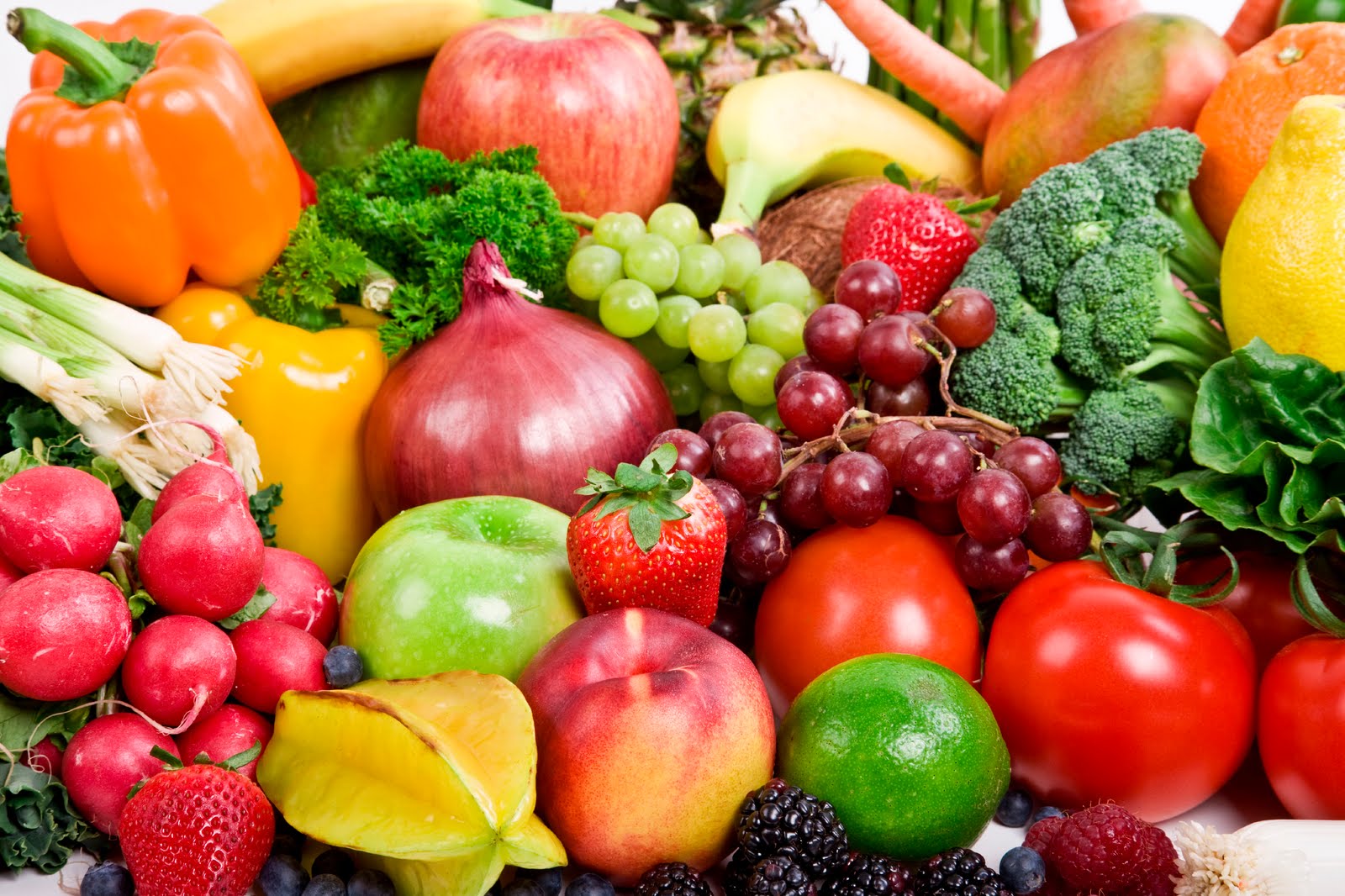
Shopping the produce department or farmers' market is a complete experience. Take a child to the store and notice the colors, shapes, and textures. Name the fruits and vegetables. Buy the ingredients for a nutritious snack or salad. Yummmm!!! You will feel better immediately. Enjoy.